Welcome to the ultimate guide for building your very first Dungeons & Dragons 5th Edition (5e) character! Whether you're brand new to tabletop role-playing games or a seasoned adventurer, this website will walk you through the character creation process step-by-step. From choosing your race and class to crafting a unique background story, we have got everything you need. This will go over the basics and mention a few complicated parts of character creation through the types of things races provide to your character and how different classes work and affect gameplay and role play with the different characters at the table.
D&D 5e offers players incredible freedom and creativity allowing you to really only be limited by your imagination while making your character. Building a character is the first step to diving into the world of fantasy, magic, and heroic tales. This guide breaks it down so it’s easy to understand, in three simple parts: Race, Class, and backstory. By the end, you'll have a playable hero ready to embark on epic quests across whatever land the people you play with have concocted with each other. Be ready for glory, riches, fame and power like you couldn't imagine.. Let's begin your journey!
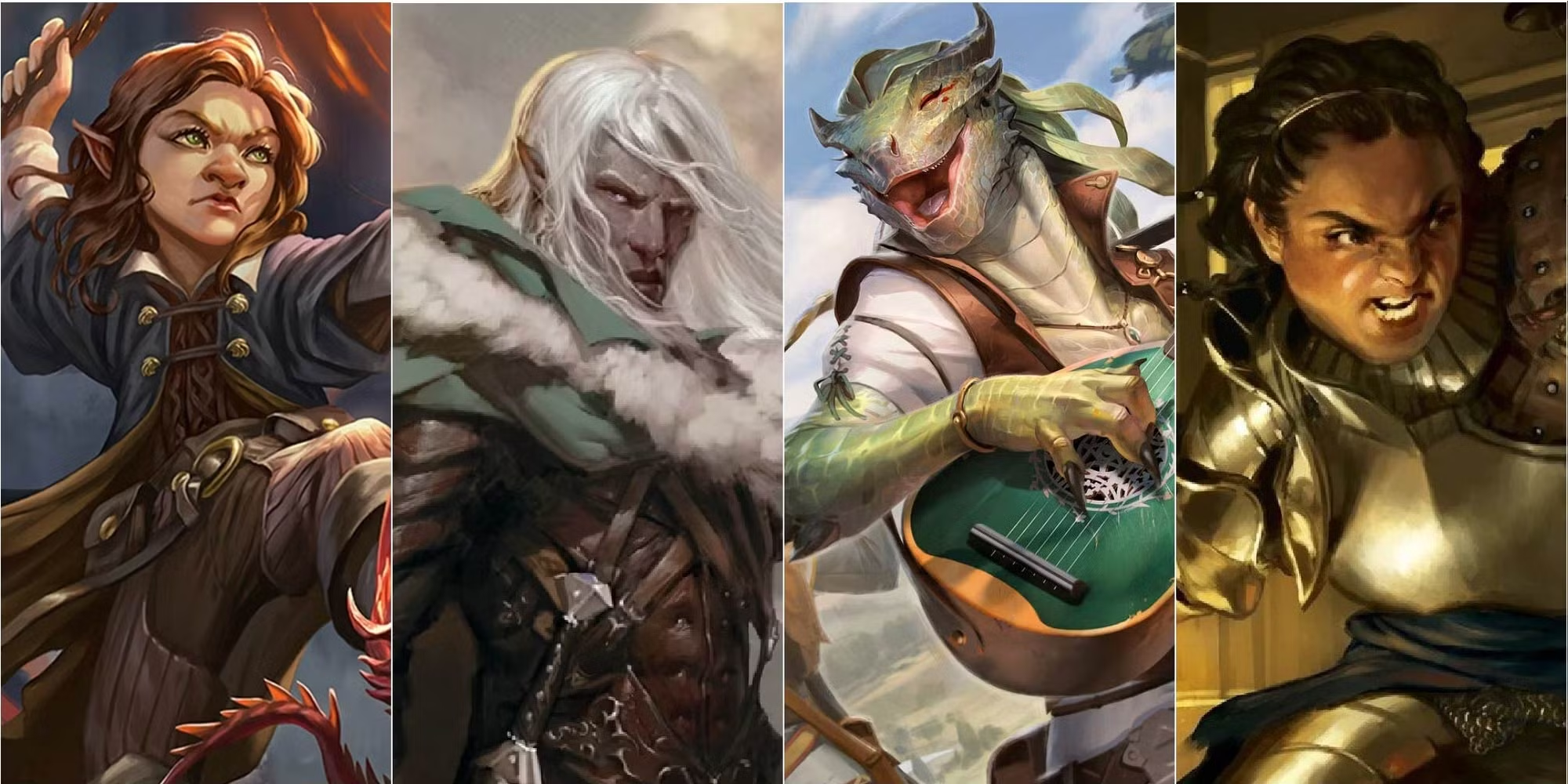
Popular D&D 5e Races: Halfing, Drow, DragonBorn, Human.
Choosing a race is the first major step in building your D&D 5e character. Each race comes with unique abilities, traits, Stat bonuses, and lore that can significantly influence your gameplay and storytelling. For example, Elves are nimble and wise, perfect for rangers or wizards. Dwarves are tough and resilient, excelling as fighters, clerics or barbarians. Dragonborns are large and strong, excellent for more heavy hitting classes like paladin and fighter. Humans are versatile and adaptable, often given a bonus to all abilities. This allows them to be good for almost any class in the game, truly allowing creativity to fly with this race.
When choosing a race you should consider how a race's bonuses align with your desired class. For example, if you want to be a stealthy rogue, a halfling or a drow might be a great fit with halflings ability to reroll dice and drow’s ability to see in the dark and cast spells relating to sight and senses. There are many different races to pick from so it can be overwhelming. Some key things to think about when choosing a race are where do they come from? What’s their culture like? These details help bring your character to life and add depth to the game. Now you can move onto Step 2.
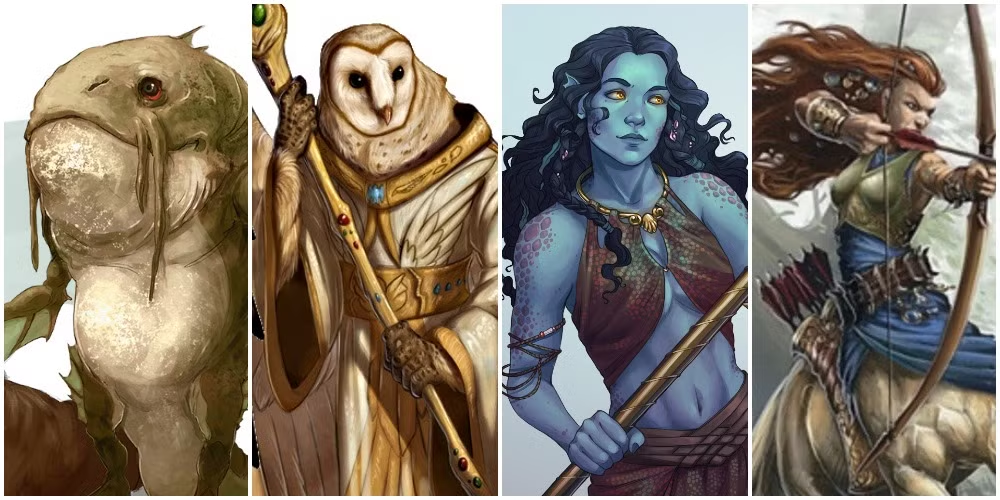
Lesser known D&D 5e Races: Kuo-toa, Owlin, Merfolk, centaur.
Step 2 Choose a Class
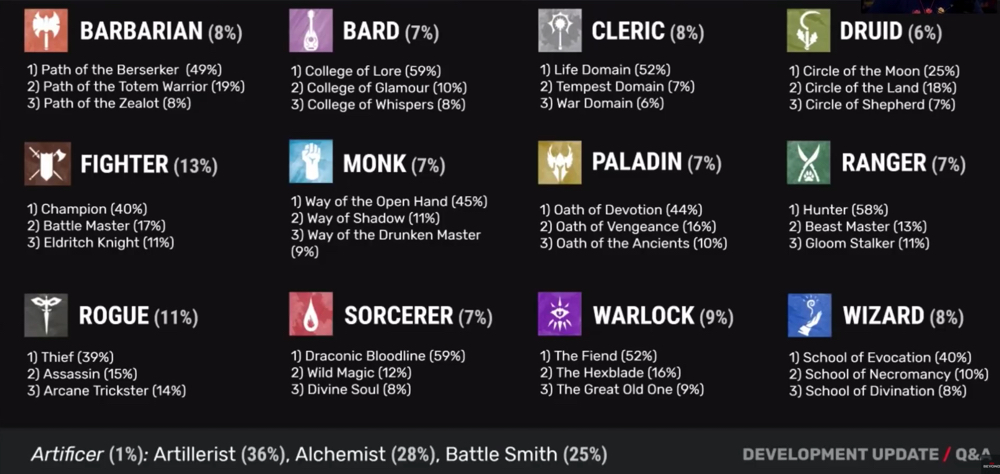
D&D 5E classes.
Classes determine your character’s main abilities and how they interact with the world. In D&D 5e, you can be a mighty Fighter, a cunning Rogue, a powerful Wizard, or one of many other archetypes. Each class has its own playstyle, skill set, and role in the party with a few encompassing multiple roles. Think about whether you want to be on the front lines of battle, cast spells from a distance, or heal and support your allies or a mix. You can mix and match classes through multiclassing. This can either make very strong or weak characters its best to avoid this until you are knowledgeable across many different classes and systems.
When choosing a class, consider your race, desired playstyle, and backstory. A Dwarf Cleric can be a great healer and defender, while an Elf Ranger is ideal for stealthy exploration. Each class also brings unique features like spellcasting, sneak attacks, or rage. These features help mold your character into what you want them to be both in combat and outside during role play with other players. Something to keep in mind is not all classes are restricted to what they read as an example of this is a paladin. Many people will look at a paladin and see a holy knight when it can be a gladiator, soldier, priest, or just a man with a conviction. Many of the descriptions are flavor text to help describe and get you into character not something necessarily set in stone. Read through the options and pick one that excites you, this is your character's profession and passion. Now onto the Final Step.
Final Touches
Your character’s background provides story flavor and mechanical benefits. Choose from options like Acolyte, Soldier, Entertainer, or Criminal there are more backgrounds to choose from but these are basic ones that D&D provides for free.. Backgrounds grant proficiencies, extra languages, gear, and unique features that tie your character to the world. Think about your character’s history, relationships, and motivations—what led them to a life of adventure? These will be key in deciding what background you go with. Once you have selected a background expand upon it and make it your own these backgrounds are more a base for you to get a idea on how they work and are meant for you to expand upon.
After selecting your background, finalize ability scores, equipment, spells (if applicable), and character traits like ideals, bonds, and flaws, backstory etc. Once your character sheet is filled out, you’re ready to roleplay! And dive into a world of magic, monsters, untold mysteries and riches beyond your imagination, fame and glory are waiting for you now. All you need todo now is get your characters approved by your dungeon master (the person who is running the game and jump in good luck. Use the video below if you want a visual walk-through of the character creation process from start to finish.
This is bold and this is strong. This is italic and this is emphasized.
This is superscript text and this is subscript text.
This is underlined and this is code: for (;;) { ... }. Finally, this is a link.
Heading Level 2
Heading Level 3
Heading Level 4
Heading Level 5
Heading Level 6
Blockquote
Fringilla nisl. Donec accumsan interdum nisi, quis tincidunt felis sagittis eget tempus euismod. Vestibulum ante ipsum primis in faucibus vestibulum. Blandit adipiscing eu felis iaculis volutpat ac adipiscing accumsan faucibus. Vestibulum ante ipsum primis in faucibus lorem ipsum dolor sit amet nullam adipiscing eu felis.
Preformatted
i = 0;

while (!deck.isInOrder()) {
    print 'Iteration ' + i;
    deck.shuffle();
    i++;
}

print 'It took ' + i + ' iterations to sort the deck.';